


- The influence of phosphogypsum acid gas concentration - saturated humidity on dry absorption acid gas concentration
I. Moisture content introduced by phosphogypsum during acid production:
The air brings in moisture, and as the environmental temperature and humidity change, the amount of water entering the system also changes further. Moreover, the concentration of SO₂ gas produced from phosphogypsum for acid production is relatively low and fluctuates greatly. The conventional process can only control the gas concentration at 6-13%. Compared to sulfur ore acid production with the same production capacity, the amount of air consumed for acid production from phosphogypsum is significantly increased, and the amount of water entering the system also increases accordingly.
2. The raw materials are moisture-laden. The raw material dihydrate gypsum, CaSO4·2H2O, contains a large amount of crystalline water. After being heated by the preheater, the water enters the subsequent process in gaseous form.
3. Washing and humidification: The kiln gas is washed with dilute acid, resulting in adiabatic evaporation. The total amount of water vapor in the flue gas further increases, and the saturation humidity reaches 8% - 14% vol. Moreover, the moisture content is affected by the temperature of the flue gas; the higher the temperature, the greater the moisture content.
II. The Effect of Moisture Content on the Concentration of Dry Absorption Acid
The influence on the concentration of the drying acid
The function of the drying tower is to remove moisture from the flue gas. The 98.3% acid concentration has the best absorption effect, but due to the excessive moisture brought into the system, it cannot meet the 98% acid control requirements. Currently, 93% acid concentration is selected for control. The higher the moisture content of the flue gas, the lower the drying acid concentration will be. To maintain the drying acid concentration, the amount of 98% acid introduced into the drying process will increase. If the gas concentration and the temperature entering the drying tower change, it will cause a significant fluctuation in the water volume brought into the drying tower, and the drying acid concentration will be unable to be stably controlled.
At the same time, the acid concentration is less than 93%, and the surface water vapor pressure of sulfuric acid rises significantly. After drying, the residual moisture in the flue gas exceeds the standard; the moisture enters the converter and reacts with SO₃ to form acid mist, which corrodes the equipment, damages the catalyst, and even causes white smoke to emerge from the exhaust chimney, resulting in environmental pollution incidents.
Water is absorbed by concentrated sulfuric acid as a strongly exothermic process; the higher the moisture content in the flue gas, the greater the heat release from drying acid, and the higher the temperature of the circulating acid. The increase in acid temperature will further raise the partial pressure of sulfuric acid vapor, thereby reducing the drying efficiency.
2. Impact on acid recovery concentration
The function of the absorption tower is to absorb sulfur trioxide in the flue gas. The acid concentration after absorption is between 98.0% and 98.5%. To ensure that the dry acid concentration remains above 93%, some of the absorbed acid will flow into the dry acid tank. The dry acid tank, in order to maintain the balance of the liquid level, will return a portion of the low-concentration acid to the absorption acid tank. The fluctuation of the dry acid concentration will cause the amount of acid flowing into the absorption acid tank to change accordingly, resulting in unstable water volume brought into the absorption acid tank and an inability to stably control the absorption acid concentration. If the amount of acid flowing out continues to increase, the absorption acid concentration may also not be maintained, especially under the production conditions of low load and low gas concentration.
III. Control Measures for Stabilizing the Concentration of Dry Absorption Acid Solution
Stabilize the SO₂ gas concentration in the kiln gas, maintain a stable raw material ratio, coal blending quantity and kiln temperature, narrow the fluctuation range of SO₂ concentration, and ensure the stability of the system gas volume.
2. Strengthen the pre-drying process of phosphogypsum to remove free water and some crystalline water; optimize the heat exchange of the preheater at the kiln tail, reduce the moisture content of the flue gas entering the purification section, and reduce the water load of the dry absorption process from the source.
3. Precisely control the inlet flue gas temperature of the drying tower. Due to the large amount of saturated water in the flue gas, a change of just one or two degrees in temperature can result in a significant difference in moisture content. The higher the temperature, the greater the moisture content. Therefore, it is necessary to keep the temperature as low as possible above the dew point temperature for control, and the fluctuation should not exceed 2°C.
4. Optimize the balance regulation methods for dry absorption, and add online moisture analyzers for flue gas and online analyzers for SO₂. Through material balance calculations, monitor the changes in flue gas moisture content to achieve predictive regulation in advance.
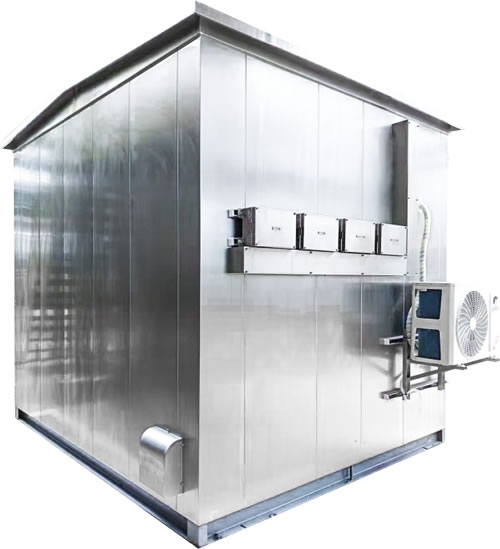
Online SO₂ Analyzer
The LAS series online SO2 analyzer is a highly reliable gas analysis device specifically designed for the sulfuric acid industry. It can continuously measure the SO2 concentration at the inlet and outlet of the converter, featuring resistance to SO3 interference, high temperature tolerance, prevention of acid fog and dew point, and corrosion resistance, ensuring long-term stable operation under complex sulfuric acid conditions. It also provides a conversion rate calculation function, facilitating process optimization and enabling precise linkage control with the oxygen-sulfur ratio control system to enhance conversion efficiency and system stability. By monitoring the changes in SO2 concentration in real time, it dynamically adjusts the oxygen-sulfur ratio to ensure optimal reaction conditions, reducing energy consumption and emissions.
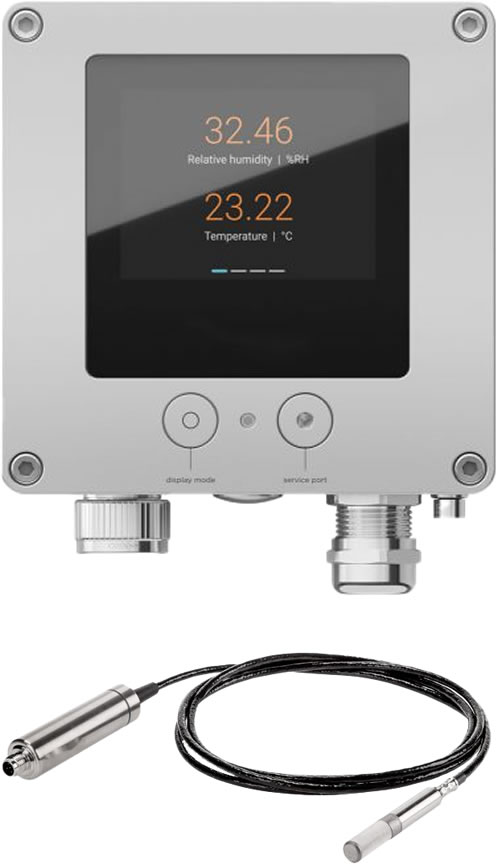
Online moisture analyzer
The OAW-300 online moisture analyzer is a specialized analyzer designed for measuring the absolute moisture content of the air at the inlet and outlet of the drying tower in the sulfuric acid plant. It can be installed in situ on the air inlet and outlet pipes of the drying tower or can be measured by connecting to a measurement chamber through a diversion system. It meets the requirements for installing and measuring the moisture analyzer during the operation of the plant.
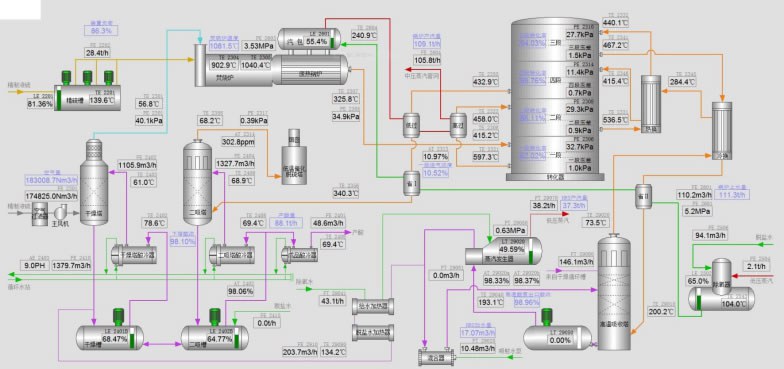
Material Balance System
Through material balance, the design indicators can be systematically and in real time compared: When there is a load fluctuation in the phosphogypsum calcination process, the acid production system can respond immediately. Through material balance, the oxygen ratio, the amount of acid carried by the dry absorption system, and the acid concentration control can be adjusted in time to ensure the thermal balance of the conversion system and the level balance of the dry absorption system. This avoids environmental pollution accidents caused by a decrease in conversion rate, prevents the dry absorption system from being corroded by dilute acid, and guarantees the long-term and healthy operation of the plant.