


- Load Adaptive Control Technology for Phosphogypsum-Based Acid Production Facilities
Phosphogypsum acid production plant
Load Adaptive Control Technology Scheme
An automatic control solution based on digital sulfuric acid
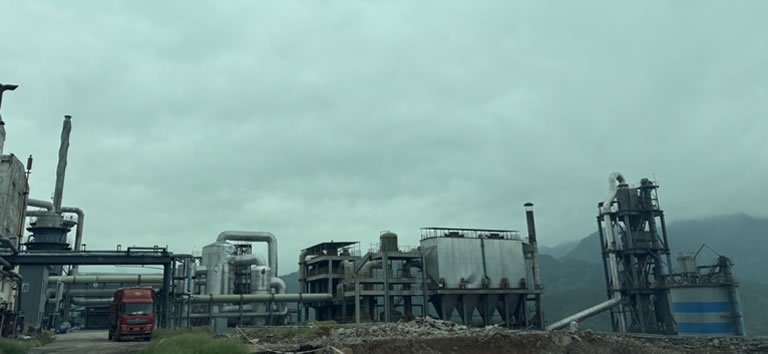
I. Project Background
The phosphoric acid production unit based on phosphoric slag is the fastest-growing device in the phosphorus chemical industry chain. Due to the sharp increase in sulfur prices, it uses phosphoric slag as raw material to produce sulfuric acid, achieving the resource utilization of phosphoric slag. It is the main investment target in the current phosphorus chemical industry. With increasingly strict environmental requirements and the continuous development of the phosphorus chemical industry, the stable operation of the phosphoric acid production unit for phosphoric slag is of great significance for improving the economic benefits and environmental protection of new construction projects.
Currently, the automatic control level of the phosphogypsum acid production unit is relatively backward. There are many problems during the operation of the unit, especially due to the low and fluctuating gas concentration, the heat balance in the conversion system cannot be maintained, and the electric furnace needs to be relied on for supplementary heating to sustain production. This not only increases the acid production cost but also increases the control difficulty for the production personnel. At the same time, the fluctuation of gas concentration makes it difficult to precisely control the water addition in the dry absorption section, and the problem of dilute acid corrosion occurs frequently, causing the unit to often operate unstably.
To address these issues, the digital sulfuric acid system enables adaptive load control for the phosphogypsum acid production unit. Digital sulfuric acid is a fully automatic control method based on material balance, which ensures that the device can automatically achieve heat balance and water balance during changes in gasification load, providing automatic control support for the continuous operation of phosphogypsum acid production and ensuring the long-term stable operation of the device.
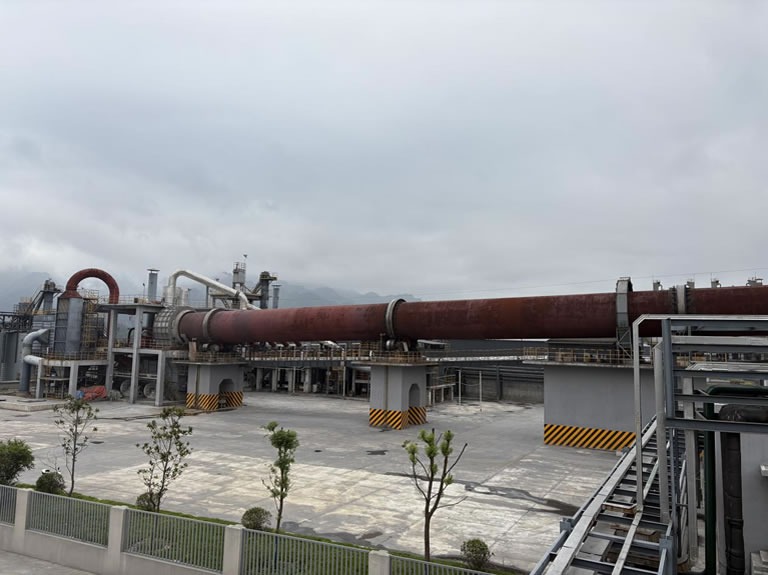
II. Main Issues Currently Facing Automatic Control
2.1 The low gas concentration and fluctuations lead to a heat imbalance in the conversion system.
The raw material characteristics of the phosphogypsum acid production unit determine that the SO₂ gas concentration generated during the rotary kiln's calcination process is relatively low and highly variable. Compared with sulfur-based acid production, the gas concentration produced by the phosphogypsum calcination process is usually lower, and it is greatly affected by factors such as raw material quality, particle size, and moisture content, resulting in a larger fluctuation range of the gas concentration.
The heat released during the conversion reaction is insufficient for the conversion of SO₂ to SO₃, which is a exothermic reaction. Low gas concentration means that the amount of SO₂ reacting per unit time is small, and the released heat is not enough to maintain the optimal reaction temperature of each bed layer in the converter.
2. The catalyst activity temperature window deviates from the strict activity temperature range of vanadium catalysts. Insufficient heat causes the catalyst bed temperature to be lower than the optimal activity window, resulting in a decrease in conversion efficiency and excessive emissions in the exhaust gas.
3. The electric furnace needs to be heated up to maintain operation. To maintain the reaction temperature, the electric furnace must be turned on to supply additional heat, resulting in a significant increase in electricity consumption.
4. Intensified temperature fluctuations cause frequent stress on the equipment. The frequent temperature fluctuations result in alternating thermal stress on the converter and related equipment, accelerating the aging process of the equipment.
2.2 Difficulty in controlling water addition in the dry absorption section
The significant fluctuations in gas concentration directly affect the difficulty of water addition control in the dry absorption section. During the production of sulfuric acid, the dry absorption section needs to replenish a certain amount of water to the circulating acid system to maintain the stability of the sulfuric acid concentration. The fluctuations in gas concentration lead to the following problems:
The variation in the generation of SO₃, along with fluctuations in atmospheric concentration, leads to unstable amounts of SO₃ entering the absorption tower. The amount of water generated during the absorption reaction also varies greatly, necessitating frequent adjustments to the amount of water added.
2. The traditional manual adjustment method has significant lagging characteristics. It usually only makes adjustments after the acid concentration has already deviated.
3. Risk of dilute acid corrosion occurs when too much water is added. In such cases, the local acid concentration decreases, resulting in dilute acid. This causes corrosion to the equipment and shortens its service life.
2.3 Comprehensive Impact of Unstable Device Operation
The combined effect of the above issues has led to unstable operation of the phosphogypsum acid production unit, which is manifested as:
Frequent unplanned shutdowns: The operating parameters of the device deviated from the normal range, triggering safety interlocks, resulting in unplanned shutdowns.
2. The labor intensity for production staff is high: Operators need to frequently manually adjust various parameters, which results in high work pressure.
3. High production costs: The re-heating process of the electric furnace consumes a large amount of electricity, and unplanned shutdowns result in production losses and equipment wear and tear.
4. Short operating cycle of the device: Frequent fluctuations and corrosion issues have limited the device's ability to operate for a long period.
III. Technical Solution for Digital Sulfuric Acid System
3.1 Load Adaptive Control Principle Based on Material Balance
The core of the digital sulfuric acid system is a load adaptive control method based on material balance. The system compares real-time process parameters with material balance and heat balance data, automatically calculates the target values of each control variable, and realizes the fully automatic control of the device.
The heat balance calculation is based on the current gas concentration, temperature, flow rate, moisture content, etc. parameters, automatically calculating the heat balance of each section of the conversion system, and automatically adjusting the bypass valves of the heat exchangers and the power of the electric furnaces to maintain the heat balance.
2. The current total sulfur content is calculated. Based on parameters such as conversion rate, absorption rate, acid production volume, and acid concentration, the theoretical water addition amount for the dry absorption section is automatically calculated. The water addition valve is automatically adjusted to maintain the stability of the acid concentration.
3. Adaptive adjustment: When the gas production load changes, the system automatically recalculates the target values of each parameter and gradually adjusts them to the new equilibrium state through PID control.
3.2 Mechanism for Maintaining Temperature after Shutdown of the Rotary Kiln Gasification Plant
One of the significant breakthroughs in thermal balance control technology is the achievement of automatic maintenance of the temperature balance value of the conversion system after the gasification section is shut down. This function is of crucial importance for the continuous and stable operation of the phosphogypsum acid production plant.
When the gas production section is temporarily shut down due to raw material supply issues or equipment maintenance, the traditional control methods often result in a rapid drop in the temperature of the conversion system. Re-starting the operation requires a long heating-up process, which seriously affects the continuity of production. The thermal balance control technology solves this problem through the following mechanism:
Precise electric furnace re-heating - The system precisely calculates the amount of heat needed to maintain the temperature during the shutdown period based on the heat balance model. It automatically adjusts the power of the electric furnace to maintain the temperature balance of the conversion system with the minimum energy consumption.
2. Temperature gradient protection - The system controls the temperature gradient of each section of the reactor bed to prevent local overheating or undercooling, thereby safeguarding the safety of the catalyst and equipment.
3. The thermal balance control technology provides comprehensive automatic control support for the long-term stable operation of the phosphogypsum acid production unit:
• Reducing human intervention: Automatic control significantly reduces the frequency of manual adjustments by operators, thereby lowering the risk of human error.
• Optimize operating parameters: The system continuously optimizes various process parameters to keep the equipment operating at the optimal condition point, thereby reducing equipment wear and tear.
• Preventive protection: Through trend analysis and early warning functions, potential problems can be identified in advance, preventing the expansion of faults and avoiding unplanned shutdowns.
• Energy consumption optimization: Precise heat control prevents excessive heating, effectively reducing electricity consumption and production costs.
• Continuous operation support: The temperature maintenance function after gasification shutdown ensures the continuous operation capability of the plant, thereby increasing the utilization rate and production capacity of the plant.
IV. Main Functional Characteristics of Digital Sulfuric Acid
•Fully automatic load adaptation
• Automatic balance of heat conversion
•Precise control of dry suction and water addition
•Maintaining the shutdown temperature for gas production
•Multi-level security protection
• The operation cycle of the device has been extended.
• Increased production capacity utilization
•The cost of re-heating the electric furnace has decreased.
• Reduction in equipment maintenance costs
• Reduction in labor costs