


- Analysis of the causes of faults in the bellows valve core and the methods for eliminating them
The bell-shaped valve is a very crucial piece of equipment in the sulfuric acid production plant. Its main function is to enable the plant to gradually increase the conversion temperature of each section steadily during the initial start-up phase, ensuring that the tail gas emission meets the standards and achieving a successful start-up. During ultra-low load operation, it can effectively stabilize the temperature of each section of the converter within the optimal range, providing a solid foundation for the operation of the plant. These important functions are achieved by adjusting the opening degree of the bell-shaped valve core, quickly and directly releasing an appropriate amount of high-temperature flue gas mixed with the low-temperature flue gas after being heated by the boiler, effectively and rapidly regulating the flue gas temperature at the first section of the converter.
From the structure of the bell-shaped valve core and the extremely harsh working conditions it is subjected to, any failure in a certain part will lead to a malfunction. Once a failure occurs, the adjustment space for the system load will be restricted. Some systems may be forced to shut down, and some may even be unable to restart. Therefore, analyzing and eliminating common faults of the bell-shaped valve core is very important and urgent.
Fault 1: The metal base of the valve core is severely sulfided and the refractory mortar has fallen off completely.
Causes: This fault occurs mainly because the groove design of the valve seat is too deep, as shown in (Figure 1). The valve core is placed in the groove for a long time, and the low-temperature flue gas cannot come into contact with the metal base, unable to remove heat, causing the temperature to remain high for a long time, resulting in the continuous peeling of the metal surface due to high-temperature sulfidation, and the strength continuously decreasing. When the degree reaches a certain level, the insulation nails cannot support the weight of the refractory mortar and it will fall off completely. If this situation is not intervened in time and allowed to develop, when the welds of the valve core are completely sulfided and peeled off, the entire valve core will also fall off.
Elimination method: Use refractory bricks or refractory mortar to reduce the depth of the groove, as shown in (Figure 2), so that even in the closed state, the metal base part of the valve core is completely within the space where the low-temperature flue gas can come into contact. This will greatly improve the working condition of the entire valve core, keeping the metal base and the insulation nails running below the sulfidation temperature, ensuring durability and also ensuring the long-term firmness of the refractory mortar.
.jpg)
Figure 1: The base groove is too deep.
.jpg)
Figure 2: Installing refractory bricks and applying refractory mortar on the inclined surface
Fault 2: The refractory mortar of the valve core gradually and partially falls off.
Causes: 1. Before pouring the refractory mortar onto the valve core, the contact surface between the metal base and the refractory mortar, as well as the expansion screws, were not pre-treated or were not treated adequately. During the heating process, due to the difference in thermal expansion coefficients between the two materials, the expansion screws would cause the refractory mortar to crack, and the expansion of the metal base would further widen the cracks. During the production process, the high-temperature smoke would seep through the cracks and directly contact the expansion screws, causing them to continuously sulfide. The sulfides would continuously expand, and the cracks would gradually widen. Over time, this phenomenon would continue to deteriorate, reaching a certain point, the refractory mortar would gradually detach from the restraint of the expansion screws and fall off from the outer circumference; 2. The repaired valve core did not have the opportunity to follow the specifications to perform the maintenance cycle and heating curve of the refractory mortar. To ensure the rapid startup of the device, the bellows valve had to be sacrificed. During the rapid heating process, the refractory mortar was very likely to crack, which was the main reason for the short lifespan of the repaired valve core; 3. The outer circumference of the refractory mortar did not have a firm protective ring. A firm protective ring would control the cracks within a certain range and prolong or even stop the deterioration process. It is the last line of defense for all defects causing the refractory mortar to fall off. The effect is shown in (Figure 7, 8).
Elimination methods: 1. Before pouring the refractory mortar onto the valve core, a thin layer of asphalt paint was brushed on the contact surface between the metal base and the refractory mortar to prevent mutual influence between the metal base and the refractory mortar during the heating process; the expansion screws were brushed with 1mm thick asphalt paint to reserve expansion space and prevent cracking of the refractory mortar. Through experiments, the effect was obvious, as shown in (Figure 3, 4). 2. The repaired valve core should be prefabricated with a metal base in advance. The poured refractory mortar should be maintained and heated in accordance with the specifications, and then replaced into the device for operation after passing the qualification test. This can ensure its service life. The methods and effects are shown in (Figure 5, 6); 3. The protective ring should be made of the same material as the base, with a thickness of more than 10mm, and be firmly welded inside and outside before pouring the refractory mortar.
.jpg)
Figure 3: The effect of the insulation nails after not undergoing any pre-treatment and being baked at 1200 degrees.
.jpg)
Figure 4: The effect of the insulation nails after undergoing pre-treatment and being baked at 1200 degrees.
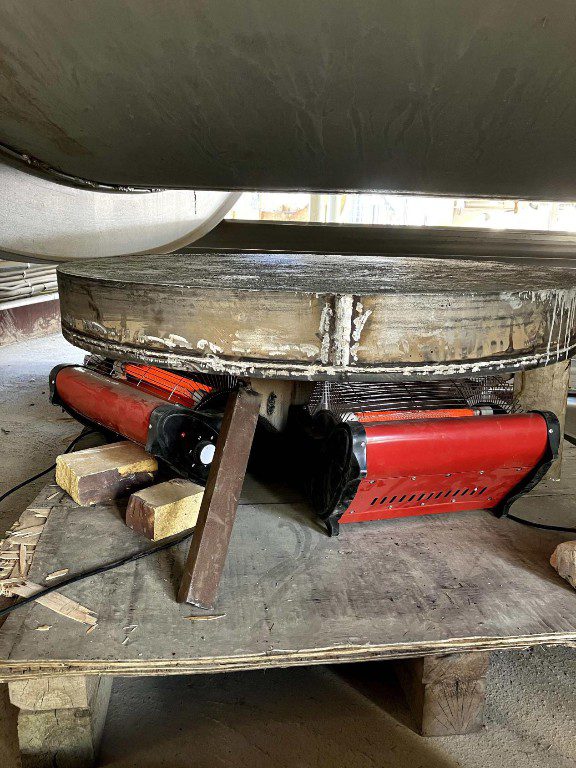
Figure 5 Valve core repair pre-treatment and baking
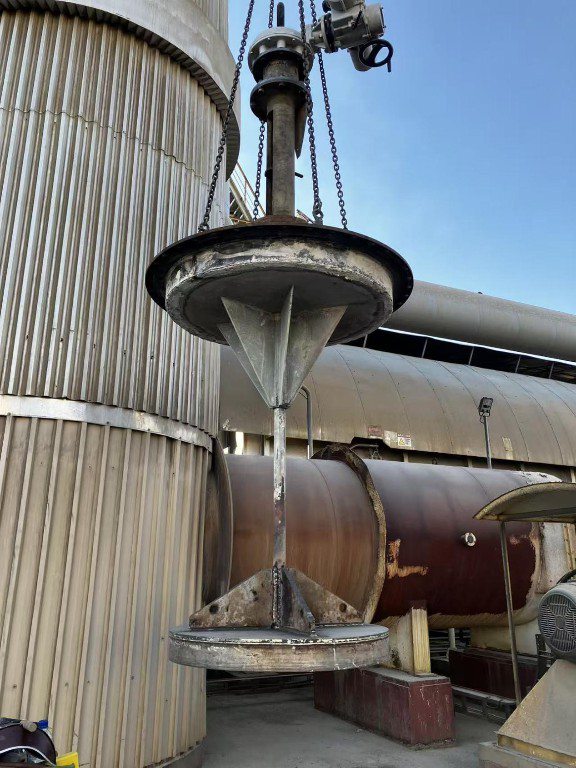
Figure 6: Device stops for valve core replacement
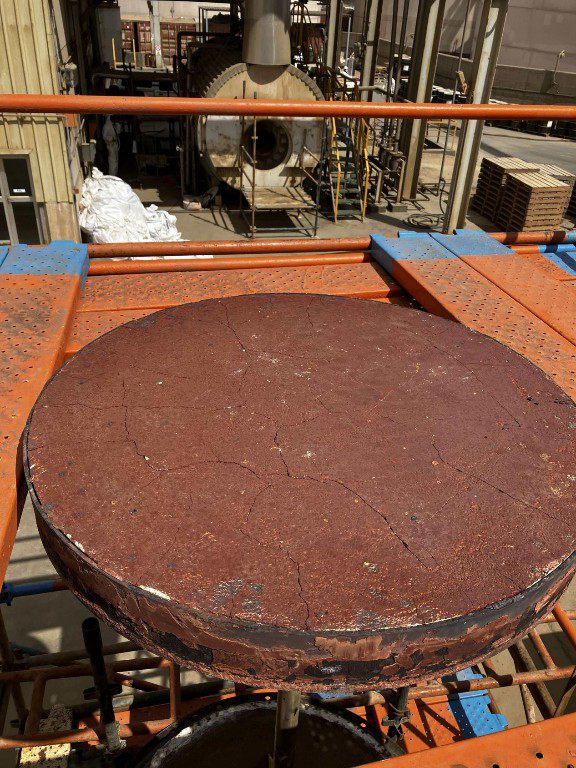
Figure 7: The bound cracks with protective covers will not expand again.
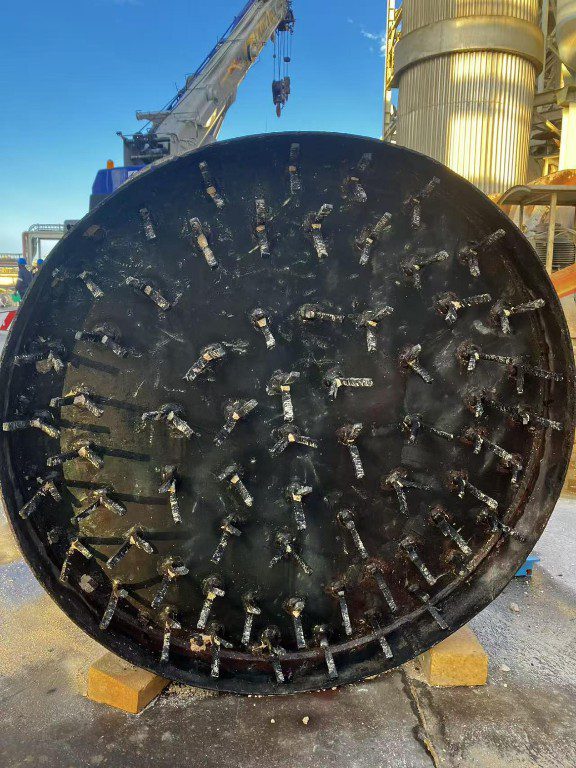
Figure 8: After three years of operation, the insulation nails remained intact.
Fault 3: The valve core fails to close properly, and the high-load converter overheats.
Causes: The end face of the valve seat groove is designed as a flat surface. When the nearby refractory mortar falls off, there is a probability that it will remain on the end face of the groove. When it needs to be fully closed, it cannot push the valve core down, resulting in poor closure or even bending of the valve stem, allowing excessive hot smoke to flow out, making it impossible to control the temperature of the converter under high-load conditions, and affecting the production of the entire system.
Solution: Design the end face of the valve seat groove as a conical surface, as shown in (Figure 2). By not giving any opportunity for foreign objects to remain, the problem of the valve core not closing properly will not occur.